Drivers in San Rafael, CA, with questions about business or personal vehicle tax deduction options are in the right place. Federal tax rules can be complicated to parse, so Cadillac Marin is helping our California customers navigate this topic more easily. This guide delves into tax laws for companies and individual citizens to help everyone maximize their savings. That said, we are not tax experts – please consult a qualified professional for additional tax details and restrictions.
Like many other U.S. states, California often creates its own tax limits rather than adhering to those set forth by the federal government. For business owners, this difference in tax legislation means you can't assume that a specific federal vehicle tax deduction amount will automatically apply to your purchase. Here's an overview of which business car tax deduction rules apply in California as you grow your fleet.
As of October 1, 2025, the $7,500 federal tax credit for new electric vehicles is no longer available in California, nor is the $4,000 credit for purchasing used EVs. Governor Newsom announced in September 2025 that although California will not be reviving or launching its own federal EV tax incentive to offset this federal loss, the state will work to expand its electric vehicle charging infrastructure.
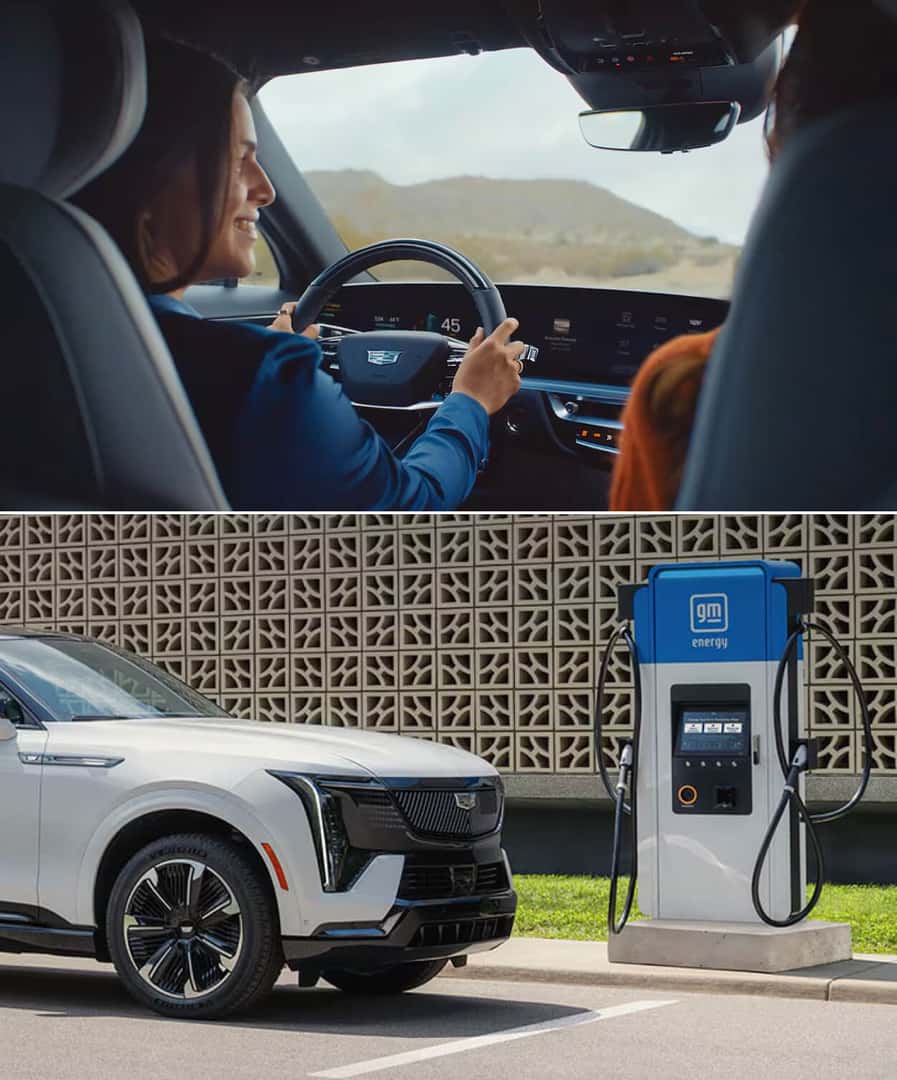
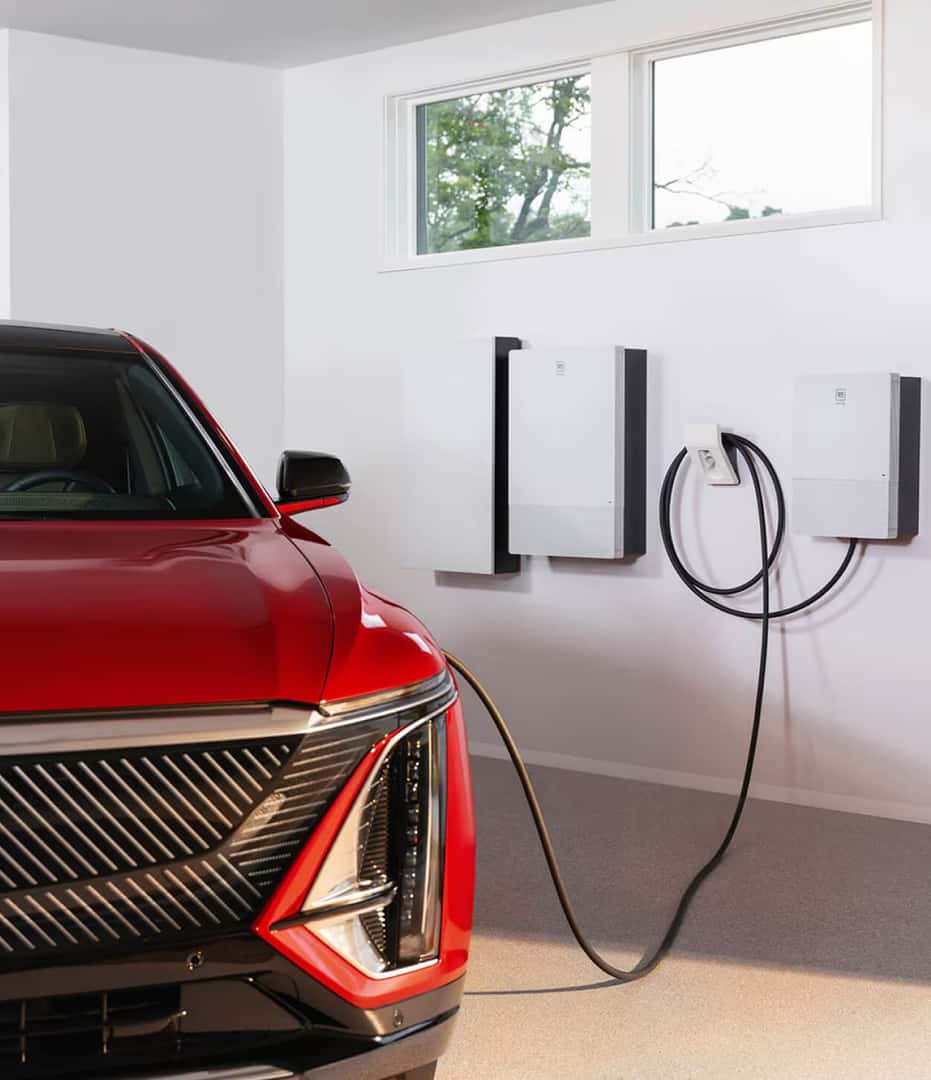
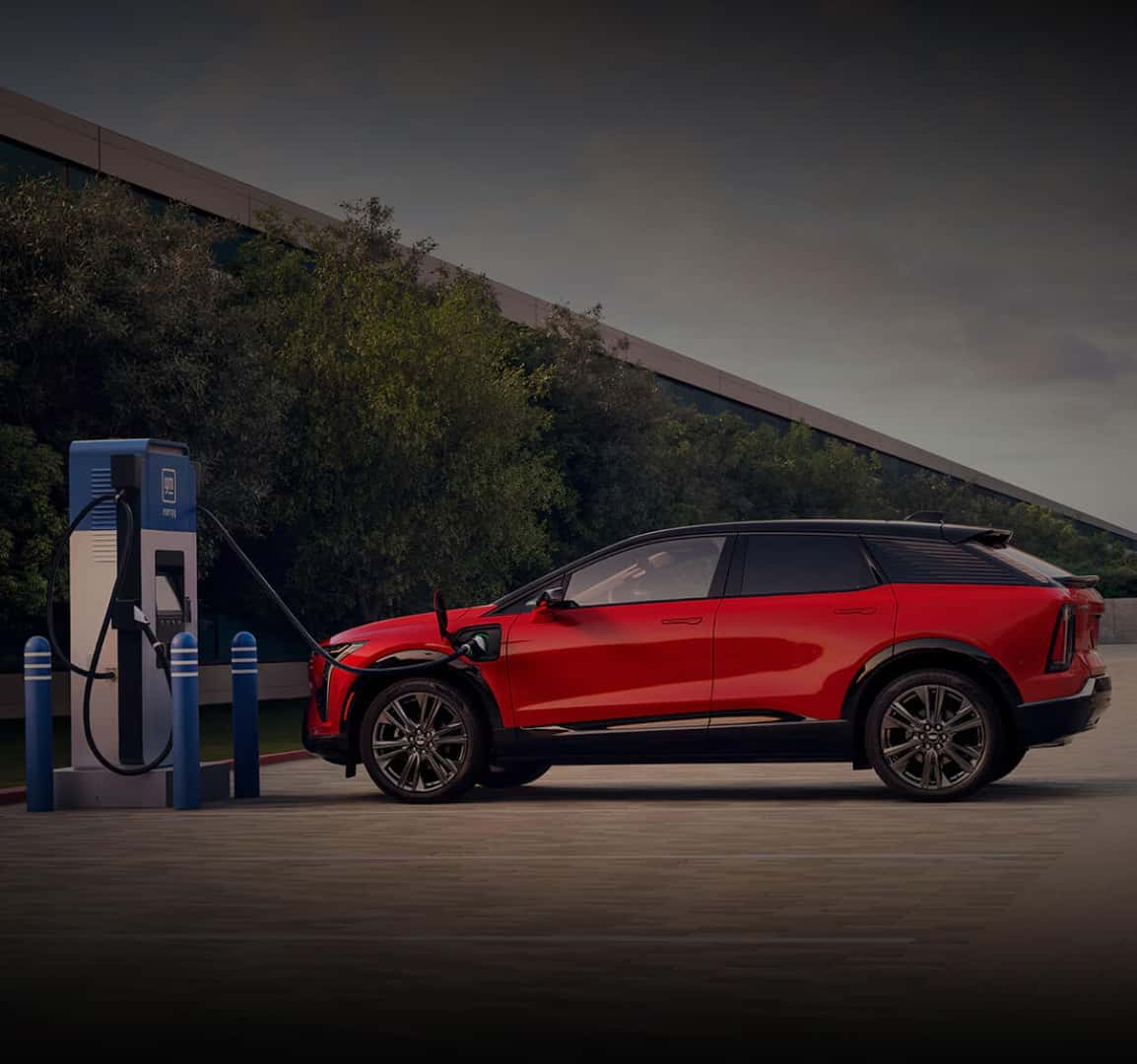
Companies in San Rafael, CA, and across our entire state may also qualify for a 30C commercial charging tax credit. This incentive enables businesses to claim between 6% and 30% of the total cost of a commercial EV charging project, which is worth up to $100,000 per installed EV charging port, and does not expire until June 30, 2026.1 So, if you've been interested in adding an electrified SUV like the Cadillac LYRIQ to your daily operations, installing a business charger could save you money on taxes and fuel.
One huge perk of owning and operating a California-based business is Section 174. At a state level, this tax code enables companies to immediately deduct 100% of domestic and foreign research and experimental, or R&E, expenditures in the year they are incurred. Federal provisions are similar but do not encapsulate foreign R&E.2
When filing federal taxes, business owners can also deduct the full price of an automobile up to $2,500,000 and phasing out after $4,000,000 under tax code 179, as long as the vehicle is placed into service for business use and meets certain requirements.3 California, however, caps its Section 179 deductions at $25,000 with a phase-out starting at $200,000,4 which means you'll recoup less in this area when filing your California forms. Please consult a tax credit expert to learn more.
Heavy vehicles, or those with a GVWR of at least 6,001 pounds and no more than 14,000 pounds, can qualify for a Section 179 tax deduction up to $31,300,3 provided they are SUVs and not passenger or cargo vans. This means you could easily gain federal tax credit for a Cadillac Escalade to host clients or shuttle customers.
Lighter-weight vehicles with GVWRs of 6,000 pounds or below may also be eligible for a vehicle tax deduction worth up to $20,200.3 The chart below outlines GVWRs, and therefore tax credits, for our Cadillac lineup, as well as bonus depreciation information.
| Light Vehicles | Heavy Vehicles | |
|---|---|---|
| Vehicle Weight | GVWR at / below 6,000 lbs | GVWR between 6,001 and 14,000 lbs |
| Maximum Section 179 Deduction | $20,4003 | $31,3003 |
| Bonus Depreciation | 100%3 | 100%3 |
| Vehicle Business Usage | Must be 50% or more | Must be 50% or more |
| In-Service Deadline | December 31, 2025 | December 31, 2025 |
Your company can request a car lease tax deduction when filing federal forms to offset the cost of that year's lease payments. Self-employed persons who use their vehicle solely for business can also claim this tax credit on their vehicle's lease payment.
Additionally, drivers who use their vehicle for charity, medical, moving, or business purposes may be eligible for a car mileage tax deduction, provided they've kept detailed records of driving distances to support their claims. Both California and the federal government use the same 2025 standard business mileage rates of 70 cents per mile, medical rates of 21 cents per mile, and charitable purposes rates of 14 cents per mile.5

If you're an individual who needs a new or pre-owned vehicle for yourself or a family member, multiple federal and state vehicle tax deduction laws can help you save on everything from sales tax and registration to home charging port installation. First, know that you can deduct the sales tax of a purchased automobile when filing your taxes, which equals more money saved on a luxury Cadillac model from our dealership.
You can also claim a car registration tax deduction on the VLF, or Vehicle License Fee, portion of your registration, which is a nice little perk. In addition to this vehicle registration tax deduction, California residents purchasing a new or used electric vehicle can take advantage of the Alternative Fuel Vehicle Refueling Property Credit, a deduction that covers 30% of installation costs up to $1,000 for EV charger installations and is accessible through June 30, 2026.6>
Seven major California energy companies offer substantial EV rebates rather than tax credits, some worth up to $6,000.6 What's more, 13 utility providers across the state offer Level 2 EV charger rebates up to $4,200 to help recoup the cost of home chargers and necessary electrical upgrades.6
When you purchase a car, truck, van, or SUV at Cadillac Marin, you'll have the opportunity to take advantage of a vehicle registration tax deduction. California residents can shop our 2025 and 2026 Cadillac inventory to select their favorite luxury models, either for business or personal use.
Still have questions about the federal and state credits we discussed above, or need clarification about a Cadillac tax interest deduction? Let our experts in San Rafael, CA, help you solve the puzzle.
Yes, it is possible to deduct vehicle registration fees from federal taxes, provided you are using the car for business. The IRS has specific rules for when you can deduct vehicle expenses on your taxes – please refer to their materials or consult a taxation professional in San Rafael, CA, to learn more about how you can save on your federal taxes as a business owner.
It can be possible to deduct 100% of your Cadillac vehicle's cost of ownership and operation up to a federal Section 179 threshold of $2,500,000, provided the automobile meets certain requirements.3 You can also qualify for 100% bonus depreciation after your Section 179 deduction.3 If you also use the car for personal needs, you can only deduct its business use on your taxes.
The costs of owning and operating your vehicle when using it for your business are deductible on your taxes, subject to the IRS's parameters and rules. You'll have to choose between the standard mileage rate and the actual expense method when deducting these expenses from your taxes. Please reach out to us at Cadillac Marin for more insight into vehicle taxation and deductions.
No, personal car lease payments are not typically tax-deductible. However, business vehicles or models specifically used for business travel can receive tax deductions for their car lease payments. To qualify, the vehicle must be used only for business purposes. Get more details from our tax experts in California; we'll help you make final decisions on leasing, help answer tax questions, and more.
No, car insurance premiums are not tax-deductible for personal use vehicles at the federal or California state levels. However, you may be able to deduct a portion of your premiums if you use your vehicle for business-related purposes. For example, car insurance can be a tax-deductible business expense if the vehicle is used for work-related activities beyond a normal commute.
Vehicles with a GVWR at or below 6,000 pounds can qualify for a vehicle tax deduction worth up to $20,400 when other criteria are met.3 If you're purchasing a model that has a GVWR between 6,001 and 14,000 pounds, you may be eligible for a maximum vehicle tax deduction up to $31,300.3 We carry Cadillac models at our dealership that fit both categories!
Yes, when filing federal taxes, drivers can now claim a 100% bonus depreciation. However, because California does not conform to federal Section 168(k) tax code, California residents may not claim this depreciation on their state tax forms. Instead, they must calculate depreciation using California's own Modified Accelerated Cost Recovery System (MACRS) rules that subsidize slower vehicle depreciation over time.
Effective retroactively from 2025 through 2028, a qualified car, minivan, van, SUV, pickup truck, or motorcycle with a GVWR of less than 14,000 pounds that has undergone final assembly in the United States is eligible for a tax interest deduction.7 This deduction must be based on a loan used to purchase a qualified vehicle and does not apply to leased models.7
1Reference to this third-party review/claim is solely for informational purposes and not to be relied upon. For more details, please visit https://www.irs.gov/newsroom/faqs-for-modification-of-sections-25c-25d-25e-30c-30d-45l-45w-and-179d-under-public-law-119-21-139-stat-72-july-4-2025-commonly-known-as-the-one-big-beautiful-bill-obbb
2Reference to this third-party review/claim is solely for informational purposes and not to be relied upon. For more details, please visit https://www.grantthornton.com/insights/alerts/tax/2025/salt/a-e/ca-conformity-date-update-excludes-obbba-10-21#:~:text=However%2C%20California%20has%20historically%20acted,of%20$1%20million%20or%20less.&text=Given%20the%20history%20of%20the,well%20as%20the%20CARES%20Act.&text=Other%20significant%20conformity%20adjustments%20made,the%20alternative%20incremental%20research%20credit.&text=Disallowance%20of%20deductions%20for%20the,5401%20et%20seq.&text=Decoupling%20from%20higher%20depreciation%20thresholds,170.
3Reference to this third-party review/claim is solely for informational purposes and not to be relied upon. For more details, please visit https://www.section179.org/section_179_vehicle_deductions/
4Reference to this third-party review/claim is solely for informational purposes and not to be relied upon. For more details, please visit https://lslcpas.com/california-doesnt-play-by-federal-rules-what-%C2%A7179-and-bonus-depreciation-really-mean-for-2025/#:~:text=%C2%A7179%20in%20California:%20Limited,California%20taxpayers%20end%20up%20with:
5Reference to this third-party review/claim is solely for informational purposes and not to be relied upon. For more details, please visit https://www.irs.gov/tax-professionals/standard-mileage-rates#:~:text=2025%20mileage%20rates,you%20can%20deduct%20vehicle%20mileage
6Reference to this third-party review/claim is solely for informational purposes and not to be relied upon. For more details, please visit https://www.energysage.com/ev-charging/california-ev-incentives/
7Reference to this third-party review/claim is solely for informational purposes and not to be relied upon. For more details, please visit
8Reference to this third-party review/claim is solely for informational purposes and not to be relied upon. For more details, please visit https://www.irs.gov/newsroom/one-big-beautiful-bill-act-tax-deductions-for-working-americans-and-seniors
1At the time of writing. Incentives are subject to change without notice and are intended for informational purposes only. Please note that this is not tax advice. Consult with your tax adviser for further details and to determine eligibility.
2Federal tax benefits are available for vehicles acquired for use in the active conduct of trade or business and may change or be eliminated at any time without notice and each taxpayer’s situation is unique; therefore, please consult your tax professional to confirm available vehicle depreciation deductions and tax benefits. For more information, visit www.irs.gov. This advertisement is for informational purposes only and should not be construed as tax advice or as a promise of availability or amount of any potential tax benefit or reduced tax liability.
3Passenger automobiles, as defined in the Internal Revenue Code (including SUVs, trucks and crossovers with a GVWR up to 6,000 lbs.) and placed in service during 2024 qualify for immediate depreciation deductions of up to $20,200 per vehicle.
4Trucks, vans and sport utility vehicles as defined in the Internal Revenue Code with a GWVR over 6,000 lbs. And placed in service during 2024 qualify for immediate depreciation deductions of up to $25,000 plus up to 60% of the remaining purchase price. For more info visit gmfleet.com/tax.